
Recovery Support
Ask About Note-Taking Before Writing Down a Recovery Group Conversation
Recovery-group notes can capture personal learning while exposing someone else’s story. Ask the facilitator about the group’s rules before writing or recording.

Practical support in ordinary moments.
Recovery-group notes can capture personal learning while exposing someone else’s story. Ask the facilitator about the group’s rules before writing or recording.

Turn a vague offer of help into a workable childcare plan while a parent attends treatment, with clear routines and a backup contact.

Offer a useful, low-pressure check-in during recovery without turning silence into a demand for updates or reassurance.

Protect time for your own support while helping someone in recovery, and make your appointment about your needs rather than another person’s progress.

Ask about consent, timing, belongings and support before visiting someone in residential treatment, without making the visit a progress test.

Reduce the pressure of carrying recovery updates between relatives by agreeing what can be shared and encouraging direct, respectful conversations.

Read online recovery stories with empathy while separating personal experience from evidence that a particular treatment will suit another person.

Ask whether a family session provides education, peer support or therapy so participants understand its purpose and privacy arrangements before attending.
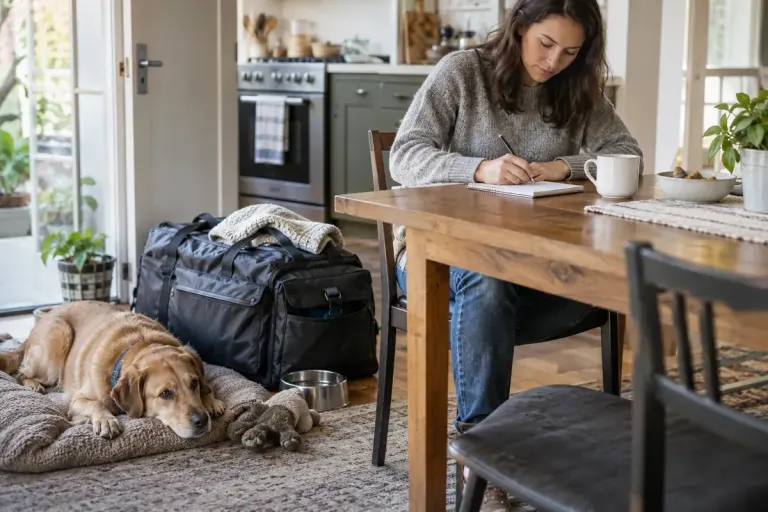
Prepare a realistic pet-care handover before a residential stay, including permission, supplies, veterinary contacts and what happens if plans change.