
Recovery Support
A Wellness Recovery Action Plan keeps useful knowledge in your own words
Explore WRAP as a personal recovery planning process, with a practical way to organise everyday tools, support preferences and updates over time.

Practical support in ordinary moments.
Explore WRAP as a personal recovery planning process, with a practical way to organise everyday tools, support preferences and updates over time.

Urge surfing offers a way to notice cravings without immediately acting on them. Learn the purpose of the exercise and when extra support matters.
Recovery Dharma combines peer support with Buddhist-inspired practices. Understand the meeting approach and what to ask before joining a group.

Recovery colleges offer learning shaped by lived experience and professional knowledge. Find out what to ask about courses, access and existing treatment.

Assertive continuing care brings follow-up into daily life after adolescent substance-use treatment. Learn what to ask about visits, goals and coordination.
Dual-recovery peer support recognises mental-health and substance-use concerns together. Check the group’s format and boundaries before deciding whether it fits.
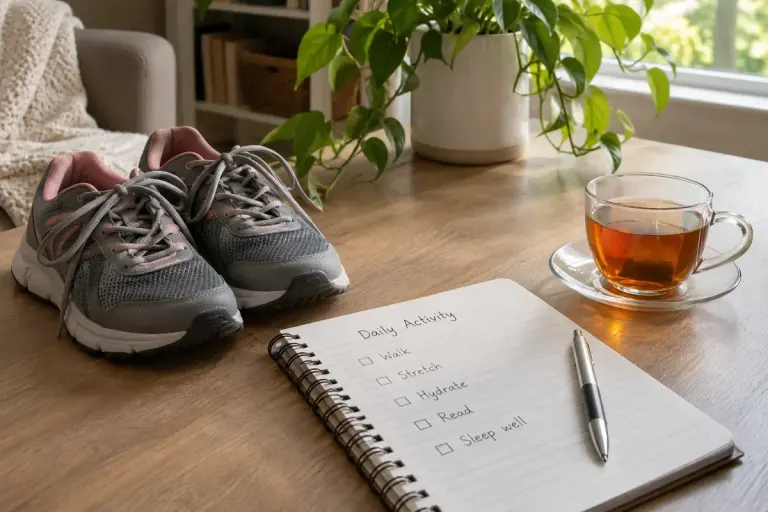
Behavioural activation connects small planned activities with mood. Explore a practical way to discuss it during recovery without turning it into a productivity test.

The community reinforcement approach looks at everyday rewards, relationships and practical barriers as part of substance-use treatment, alongside other needed care.
Recovery management checkups use planned contact to identify changing support needs. Learn what the research studied and what to ask a local service.